
A04

Klotho is an aging regulator and pleiotropic hormone, primarily produced in the kidney and choroid plexus of the brain. Previous studies in model organisms demonstrated that elevation of Klotho levels extend lifespan and improve cognition while disruption accelerates aging and induces cognitive decline. In our project we will combine studies in humans and mice to investigate the mechanisms by which Klotho regulates brain function and whether interventions addressed to enhance its expression also improve cognition and expand neural resource. Our main goal is to explore whether the Klotho secretory system can be targeted as reserve in normal aging or resilience in the face of manifest pathology.
Principal Investigators & Co-Workers
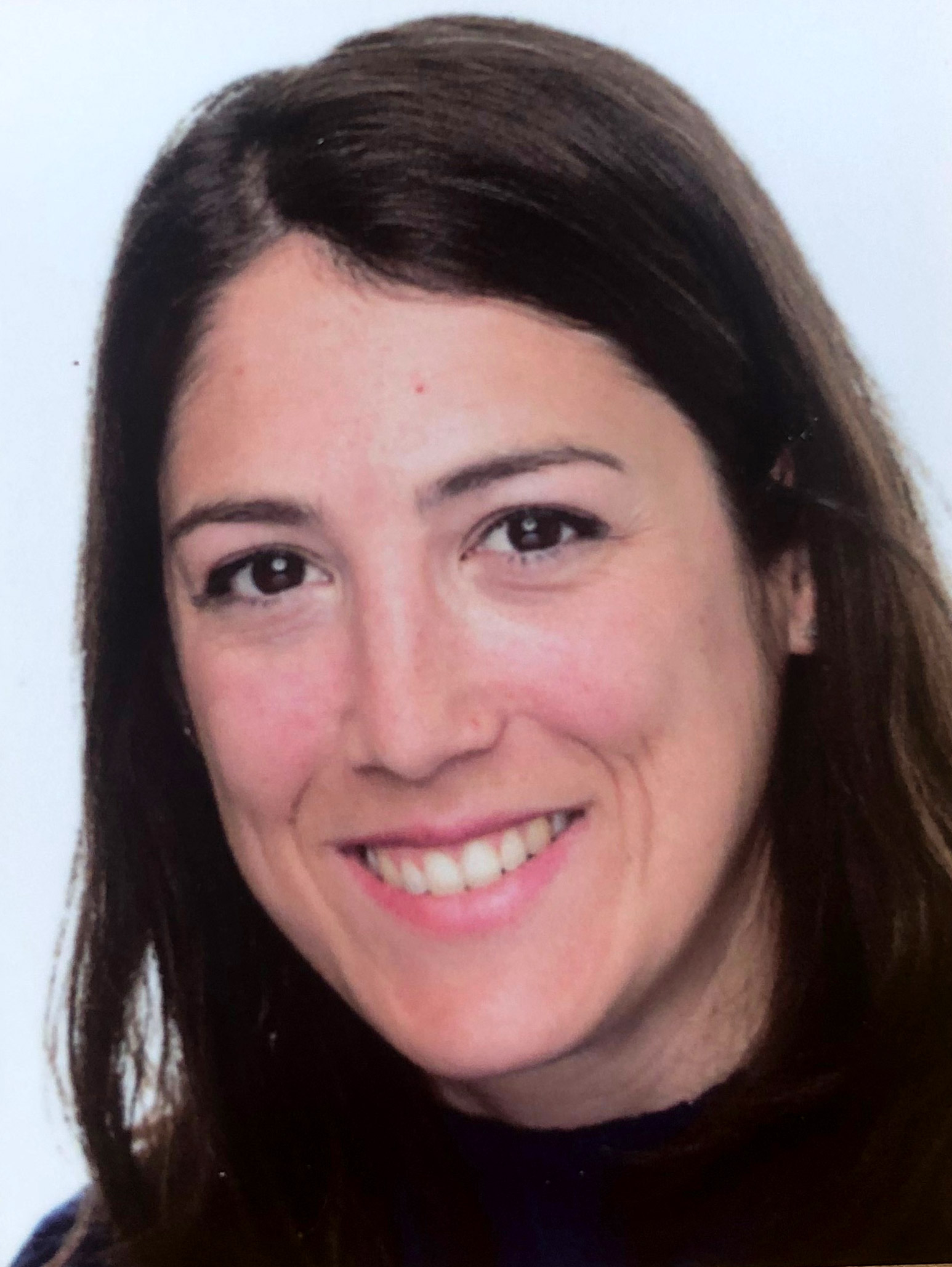
Dr. Maria Andres-Alonso

Prof. Dr. Emrah Düzel

Dr. Michael R. Kreutz

Dr. Guilherme Gome

Dr. Anja Oelschlegel

Dr. Rajeev Raman

Sebastian Samer
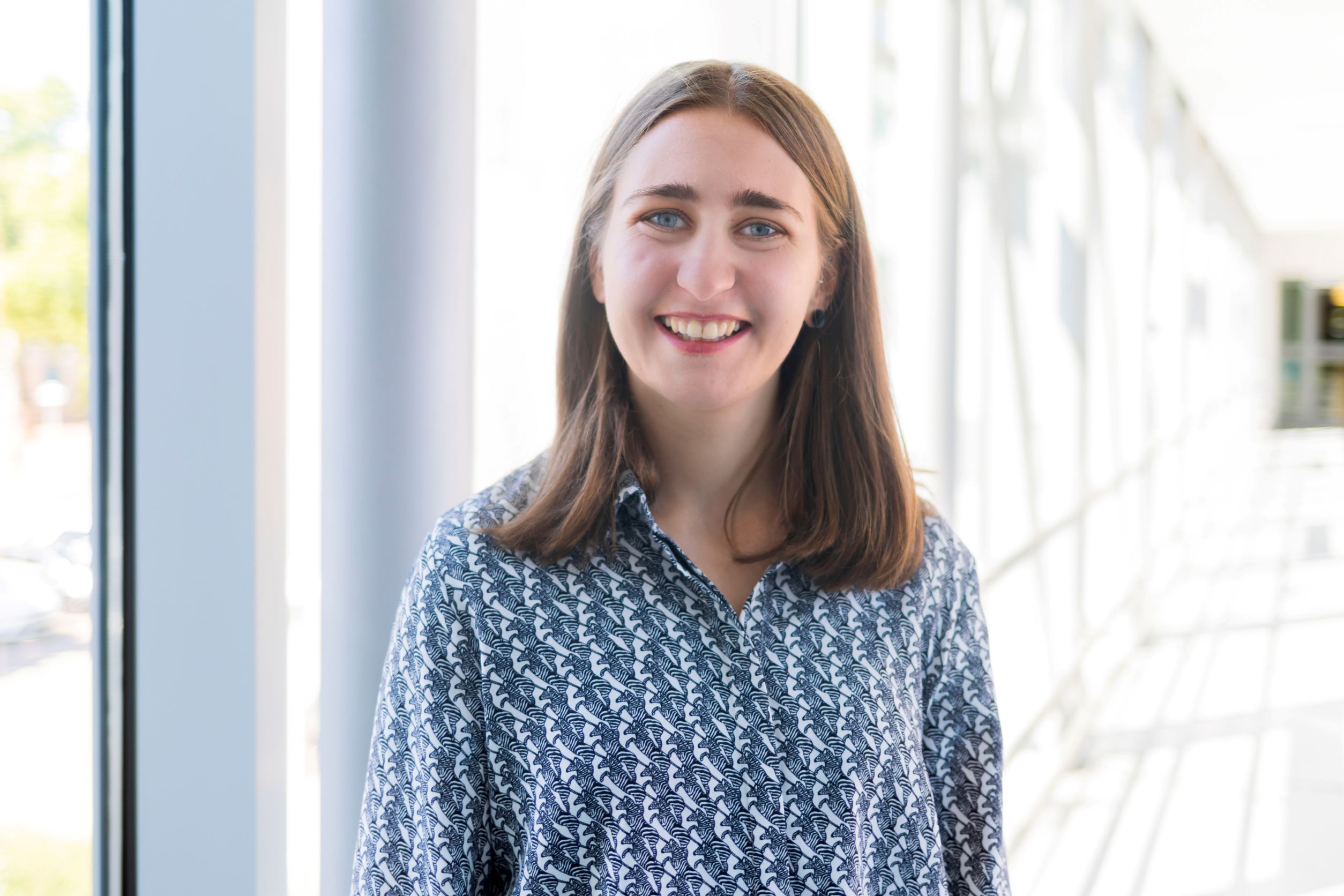
Svenja Schwarck

Dr. Pingan Yuanxiang

Dr. Pingan Yuanxiang
What do we know about Klotho?
The anti-aging hormone Klotho was identified serendipitously in a search for genes that regulate lifespan (Kuro-o et al., 1997). Mutant mice lacking the klotho gene exhibit phenotypes that resemble in many aspects human aging (Kuro-o et al., 1997; Kurosu et al., 2005) like impaired cognitive function among others.
The klotho gene encodes a single-pass transmembrane glycoprotein that consists of a short intracellular domain and larger extracellular domain. The proteolytic cleavage of the extracellular domain of Klotho by members of the ADAM family (Bloch et al., 2009) result in the release of smaller fragments into the blood circulation. These fragments are also found in urine and cerebrospinal fluid. Once released from the cell membrane, Klotho exerts its biological effects on organs and different tissues, thus functioning as a circulating hormone.
Which is the available evidence that connects Klotho to cognitive function?
Several lines of evidence suggest that targeting the Klotho endocrine axis might have therapeutic benefit in a variety of age-related conditions, including cognitive decline. The increase of Klotho levels in mice extend their lifespan and enhances hippocampal-dependent learning and memory (Dubal et al., 2014; Dubal et al., 2015). In humans the Klotho-VS variant of the klotho gene, which is associated with increased Klotho levels in serum, has been shown to also enhance cognition (Arking et al., 2002; Cararo-Lopes et al., 2017).
Though the cellular and molecular targets that underlie Klotho-dependent effect in the brain are unknown, Klotho is reported to elevate total and synaptic GluN2B protein levels (a N-methyl-D-aspartate receptor (NMDAR) subunit) (Cararo-Lopes et al., 2017). Additionally, recent evidence suggests that Klotho acts as a regulator of postnatal neurogenesis in the adult dentate gyrus, where it is also expressed (Masso et al., 2015). Thus, Klotho might promote, either dependent or independent of GluN2B NMDAR signalling, adult hippocampal neurogenesis and hippocampal dependent cognition.
The goals of our project
In studies performed in humans and mice we want to investigate by which mechanisms Klotho regulates brain function and whether interventions that aim to enhance Klotho expression such as physical activity improve cognition and expand neural resource. We will test whether targeting the Klotho endocrine axis can be a reserve in old age and provides resilience in the presence of manifest pathology.
Which sources of Klotho are relevant for cognition and brain function?
At present it is unclear which of the different Klotho sources have an impact on brain function and cognition. We will address this by using different region-specific Klotho mutant mouse lines, in which we will study cognitive function and synaptic plasticity. In this way we will assess the role of different Klotho sources i.e. neuronal, cleaved and secreted, generated from different brain areas and/or cell populations. Behaviour analysis of these lines will also allow us to compare results in mouse to those in humans.
Identification of Klotho molecular targets in the brain and regulation of Klotho expression
Based on previous studies, we will look at the abundance and dynamics of synaptic and extrasynaptic GluN2B NMDA receptors as well as adult neurogenesis in the dentate gyrus upon increased levels of Klotho. These will be achieved by exogenous administration of Klotho and/or by placing mice under conditions of physical activity, which has been shown to increase Klotho levels in the blood.
Based on our own preliminary work, we will study the molecular mechanism that regulates klotho gene expression by investigating the methylation of its promoter and we will test available small molecules termed as Klotho inducers to enhance its expression in the brain.
Klotho serum levels, physical activity and cognitive function in humans
Experiment with human blood samples will determine the effects of the exercise intervention on the serum levels of Klotho like previously done in mice (see above) and we will determine the relationship between hippocampal plasticity and Klotho levels, and whether this relationship is altered in pathology. Similarly, we will also test the hypothesis that higher levels of Klotho and the presence of the Klotho-VS variant, associate to increased Klotho levels in serum, enhance experience-dependent brain plasticity particularly in the presence of pathology.

A look into the future
The outcome of this project will set up the ground for assessing the true potential of Klotho as reserve in aging and resilience in the face of manifest pathology. We will be able to understand whether Klotho might be use to boost cognitive function under these conditions and what are the mechanisms involved. Altogether this will serve to foster the translational impact of the project towards clinical applications in the near future.
Publications of the project A04
Lucia Penalba-Sánchez, Yeo-Jin Yi, Elif Kurt, Grazia Daniela Femminella, Clare Loane, Millie Duckett, Alina Zhunussova, Nikolaus Weiskopf, Martina F Callaghan, Ray Dolan, Robert J Howard, Emrah Düzel, Dorothea Hämmerer
Alzheimers Dement (2026)
Inga Menze, Jose Bernal, Rogier A. Kievit, Kumar Parijat Tripathi, Timo Kaleck, Renat Yakupov, Slawek Altenstein, Claudia Bartels, Katharina Buerger, Michaela Butryn, Peter Dechent, Michael Ewers, Klaus Fliessbach, Ingo Frommann, Maria Gemenetzi, Wenzel Glanz, Daria Gref, Julian Hellmann-Regen, Stefan Hetzer, Enise I. Incesoy, Daniel Janowitz, Ingo Kiliman, Luca Kleineidam, Marie Theres Kronmüller, Christoph Laske, Debora Melo van Lent, Falk Lüsebrink, Robert Perneczky, Oliver Peters, Lukas Preis, Josef Priller, Boris-Stephan Rauchmann, Ayda Rostamzadeh, Sandra Roeske, Klaus Scheffler, Björn-Hendrik Schott, Anja Schneider, Sebastian Sodenkamp, Annika Spottke, Eike Jakob Spruth, Melina Stark, Stefan Teipel, Michael Wagner, Jens Wiltfang, Frank Jessen, Alfredo Ramirez, Stefanie Schreiber, Emrah Düzel & Gabriel Ziegler
Nat Commun (2026)
Kraus P, Marunde M, Ryzynski A, Düzel E, Kaether C, Kreutz MR, Oelschlegel AM
Sci Rep. (2026)
Mol Cell Proteomics. (2026)
Oelschlegel AM, Pöpplau JA, Ryzynski A, Hradsky J, Reddy PP, Navarro G, Reyes-Resina I, Yuanxiang P, Sosulina L, Kaneko H, Sahu G, Günther A, Andres-Alonso M, Lopez-Rojas J, Aly AAA, Bauer P, Mikulovic S, Xia Z, Mikhaylova M, Remy S, Hanganu-Opatz I, Karpova A, Kreutz MR
Neuron (2026)
Commun Biol (2026)
Freund PA, Panayotis N, Yuanxiang P, Samer S, Otikovs L, Kawaguchi R, Oses-Prieto J, Zomorrodinia T, Rishal I, Schweizer M, Tsoory M, Grochowska KM, Karpova A, Burlingame AL, Kreutz MR, Fainzilber M.
Niklas Vockert, Judith Machts, Luca Kleineidam, Aditya Nemali, Hartmut Schütze, Renat Yakupov, Oliver Peters, Daria Gref, Luisa Sophie Schneider, Lukas Preis, Josef Priller, Eike Jakob Spruth, Slawek Altenstein, Anja Schneider, Klaus Fliessbach, Jens Wiltfang, Ayda Rostamzadeh, Wenzel Glanz, Enise I. Incesoy, Stefan Teipel, Ingo Kilimann, Doreen Goerss, Christoph Laske, Matthias H. Munk, Annika Spottke, Nina Roy, Michael T. Heneka, Frederic Brosseron, Michael Wagner, Steffen Wolfsgruber, Laura Dobisch, Peter Dechent, Stefan Hetzer, Klaus Scheffler, Peter Zeidman, Yaakov Stern, Björn H.Schott, Frank Jessen, Emrah Düzel, Anne Maass, Gabriel Ziegler, the DELCODE study group
Soch J, Richter A, Kizilirmak JM, Schütze H, Ziegler G, Altenstein S, Brosseron F, Fliessbach K, Freiesleben SD, Glanz W, Gref D, Heneka MT, Incesoy EI, Kilimann I, Kimmich O, Laske C, Lohse A, Lüsebrink F, Munk MH, Peters O, Preis L, Priller J, Ramirez A, Roeske S, Rostamzadeh A, Roy-Kluth N, Schneider A, Spottke A, Spruth EJ, Teipel S, Wiltfang J, Jessen F, Wagner M, Düzel E, Schott BH
Mareike Ludwig, Calida Pereira, Marius Keute, Emrah Düzel, Matthew J. Betts & Dorothea Hämmerer
Sci Rep. (2024)
Soch J, Richter A, Kizilirmak JM, Schütze H, Altenstein S, Dechent P, Fliessbach K, Glanz W, Herrera AL, Hetzer S, Incesoy EI, Kilimann I, Kimmich O, Lammerding D, Laske C, Lohse A, Lüsebrink F, Munk MH, Peters O, Preis L, Priller J, Rostamzadeh A, Roy-Kluth N, Scheffler K, Schneider A, Spottke A, Spruth EJ, Teipel S, Wiltfang J, Jessen F, Düzel E, Schott BH
Oltmer J, Mattern H, Beck J, Yakupov R, Greenberg SM, Zwanenburg JJ, Arts T, Düzel E, van Veluw SJ, Schreiber S, Perosa V
Nico Lehmann, Norman Aye, Jörn Kaufmann, Hans-Jochen Heinze, Emrah Düzel, Gabriel Ziegler, Marco Taubert
Grochowska KM, Sperveslage M, Raman R, Failla AV, Głów D, Schulze C, Laprell L, Fehse B, Kreutz MR