
Z03

Episodic memory records and recalls our personal experiences. As we age, episodic memory declines but the amount of decline differs considerably between individuals. Early beginnings of Alzheimer’s disease places additional strains on episodic memory, long before signs of dementia are visible. Again, individuals considerably differ by how much they are affected. The goal of the Z03 project is to quantify the health and size of episodic memory regions in the brain using cutting edge and novel technologies. We seek to find out how people differ as they age and what sets “SuperAgers” apart from normal agers.
Principal Investigators & Co-Workers
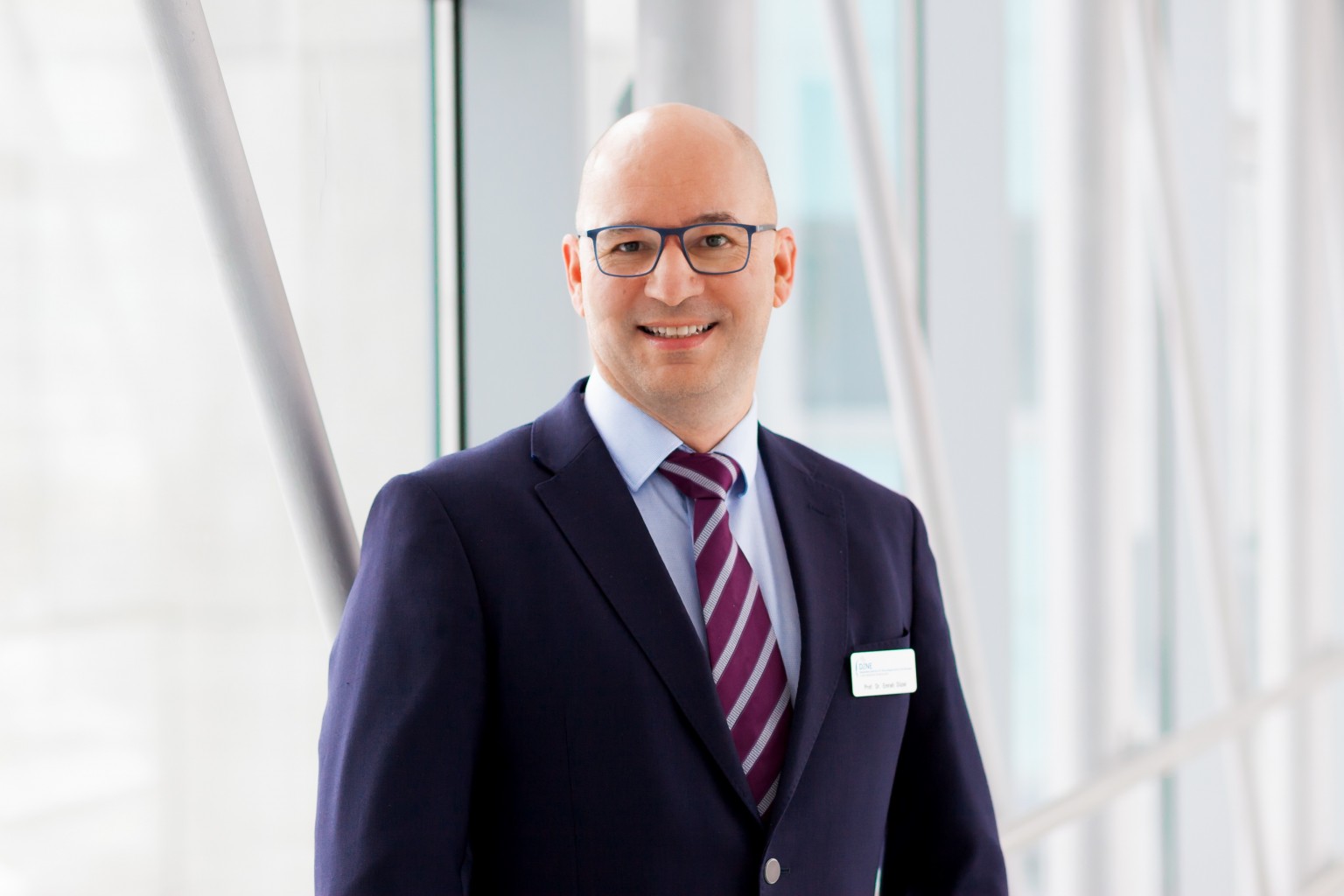
Prof. Dr. Emrah Düzel

Prof. Dr. Michael Kreißl
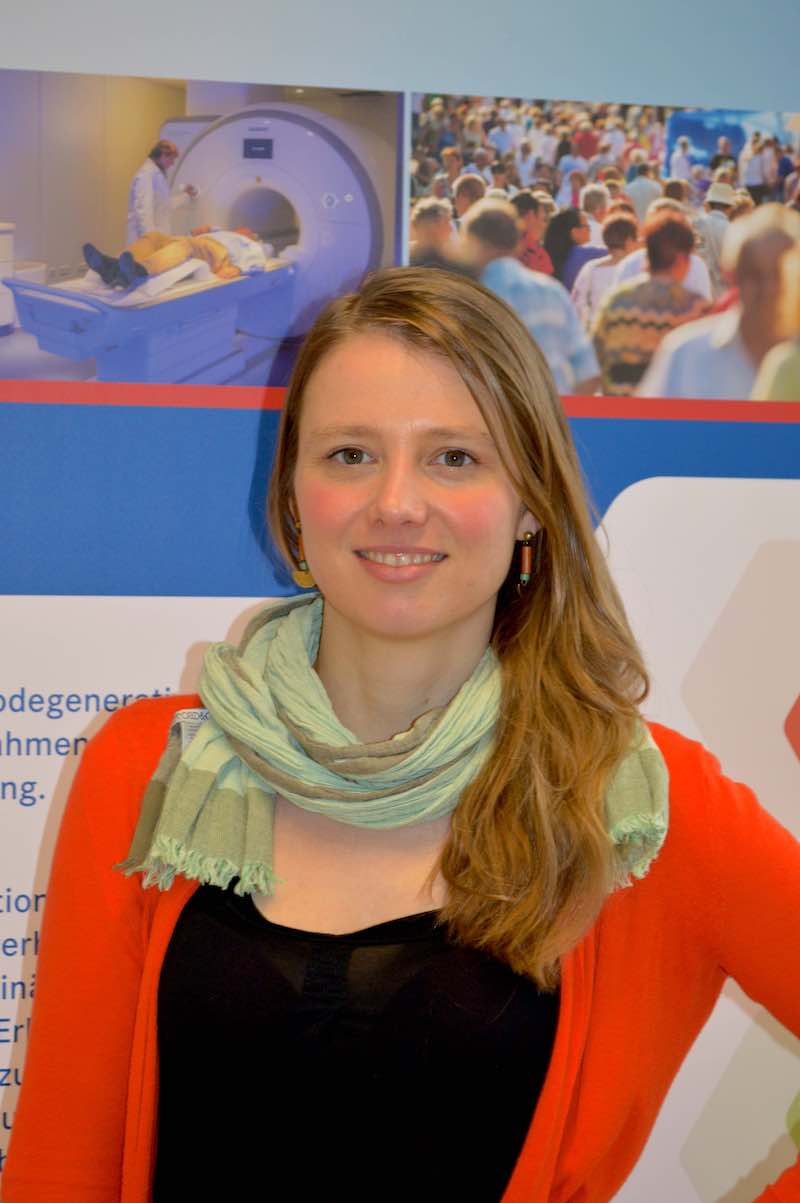
Prof. Dr. Anne Maass

Dr. Kathrin Baldauf
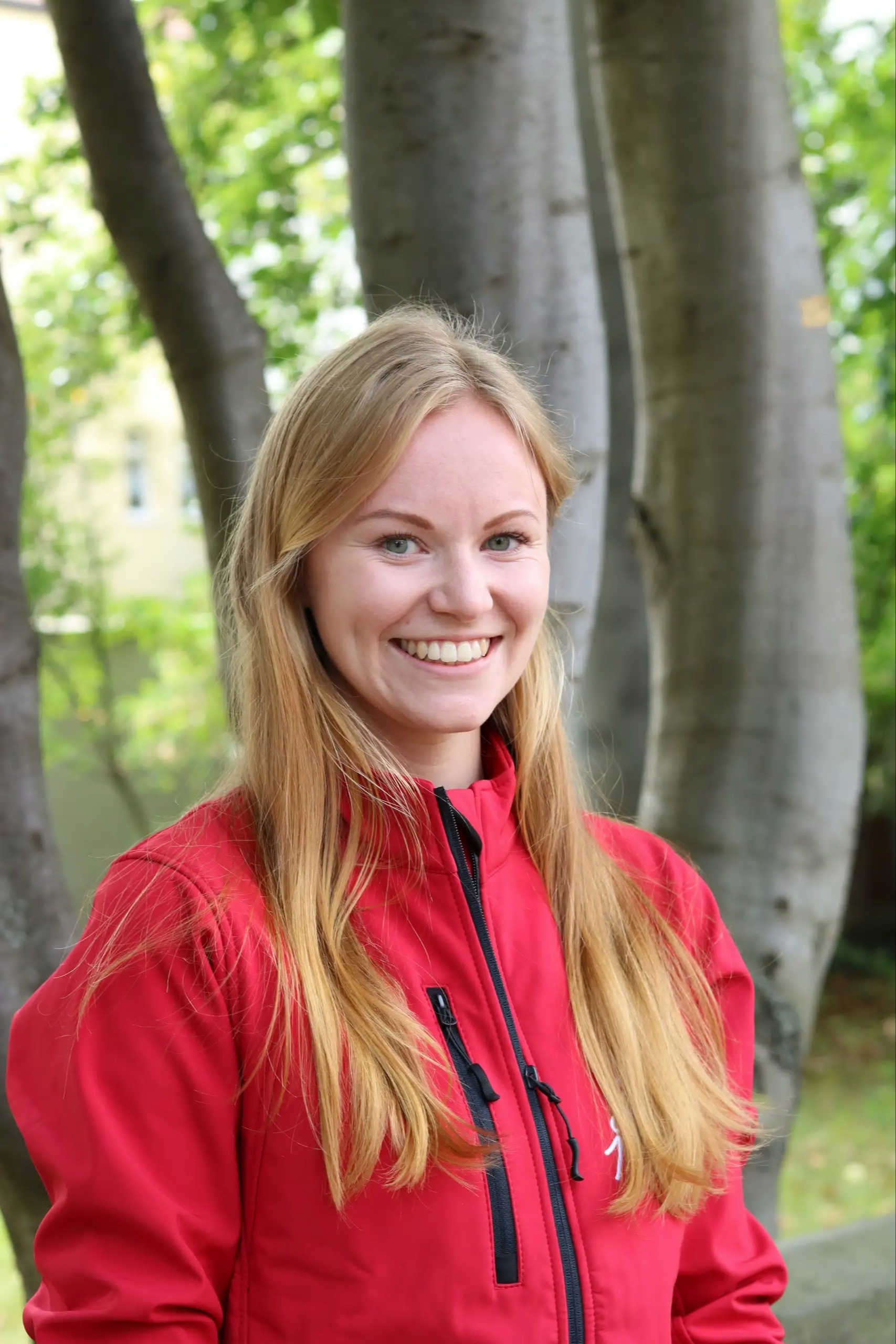
Larissa Fischer
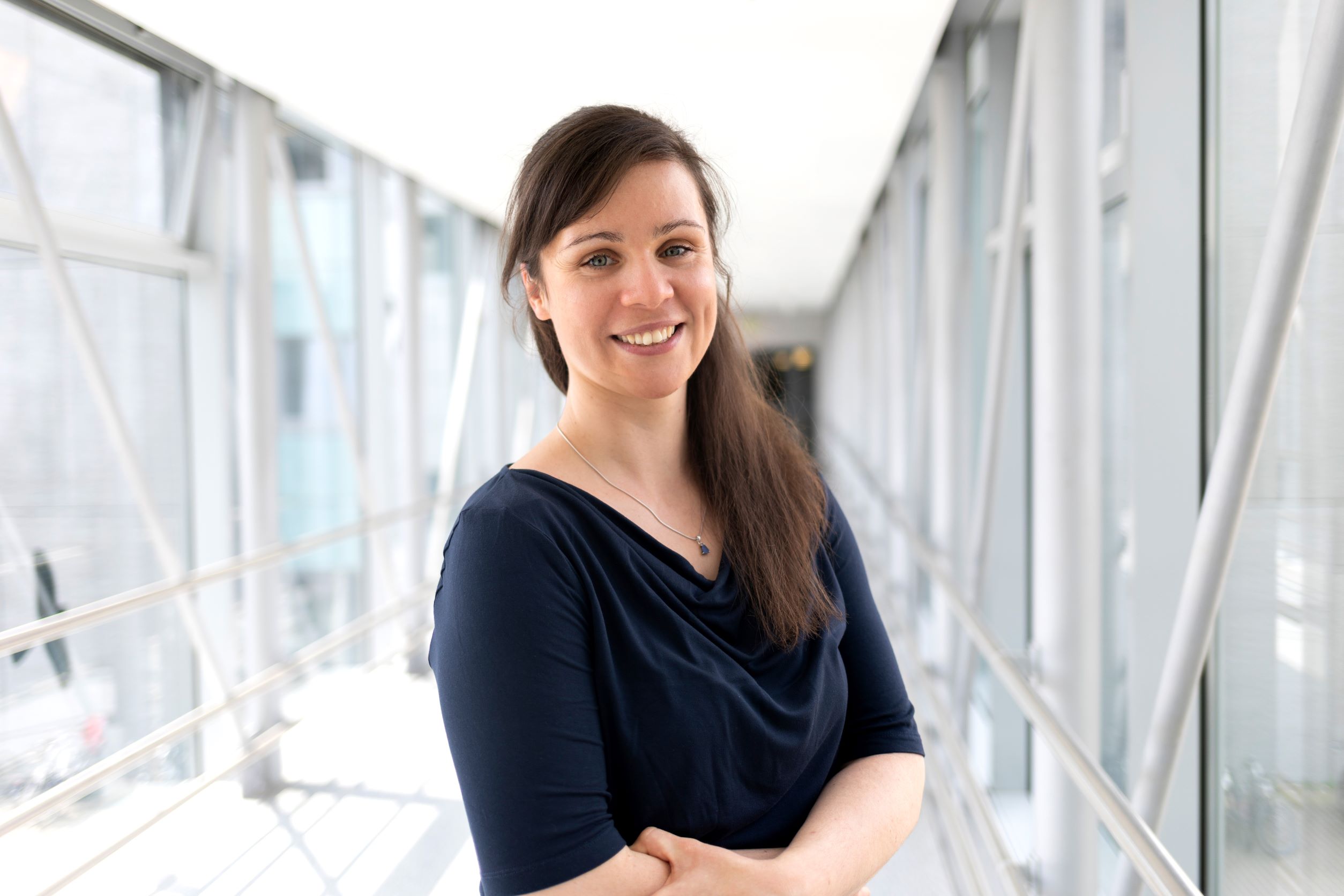
Anne Hochkeppler
Dr. Eóin Molloy

Dr. Peter Schulze
Dr. Beate Schumann-Werner
Svenja Schwarck
What is a SuperAger?
SuperAgers are healthy adults aged at least 80 years old. Unlike “normal” agers, SuperAgers have preserved cognitive function in domains such as memory, with their abilities being more similar to that of adults aged 20 to 30 years younger. Many different neuropsychological tests can be used to identify a SuperAger. In our central project, we identify SuperAgers using several tests, one of which is called the Rey Auditory Verbal Learning Test (RAVLT) and the Rey-Osterrieth (ROCF) complex figure, a well-established test used to examine memory function. By scoring in the age range of adults aged 50 to 60 years, we can classify older people as SuperAgers.
What happens in the brains of SuperAgers?
Tau is a protein found in the brain that plays a major role in stabilizing microtubules; cylindrical structures inside brain cells that form and maintain organization and function. In Alzheimer’s disease, tau protein becomes misfolded and clumps together to form neurofibrillary tangles which cause degradation and death of the cell. Though a hallmark of Alzheimer’s disease, tau also accumulates in the brains of cognitively healthy people and has been linked to cognitive ability. Tau early aggregates in the medial temporal lobe (MTL), a region important for memory function. How this tau accumulation might differ in SuperAgers is still not understood. One hypothesis, however, has been termed “brain resistance” and suggests that tau accumulation is reduced in SuperAgers, leaving them with intact memory performance in later life. Another possibility is referred to as “brain reserve” or “resilience” and suggests that SuperAger brains may be better able to withstand the effects of tau on memory in later life, possibly due to higher levels of education or other lifestyle factors. Understanding this mechanism is a central goal of the Z03 project.
How can we investigate tau in SuperAger brains?
Positron emission tomography (PET) is a well-established neuroimaging technique that capitalizes upon the physical properties of metabolic and neurochemical processes in the brain. Recently, novel methods have been developed to better image tau accumulation in the brain. For the Z03 project, we will collaborate with the Department of Nuclear Medicine at University Hospital Leipzig (led by Prof. Osama Sabri) to use a relatively new radiotracer known as 18F-PI-2620, which has been recently established in both Alzheimer’s patients and healthy adults, to quantify tau in brain regions. Compared to previous tau radiotracers, 18F-PI-2620 has been shown to exhibit less unspecific binding and a fast washout of non-target areas. With this method, we will be able to quantify the amount of tau in key brain regions of SuperAgers (such as the MTL) and compare these measures to age-matched controls.
The goals of our project
In a large sample of cognitively healthy older adults, we aim to characterize the molecular, functional, and structural characteristics of SuperAger brains as well as their cognitive and memory abilities. To do this, we will recruit 50 SuperAgers and 50 age matched “normal” agers. In addition, we will also recruit 300 further participants aged between 60 and 79 years. All participants will undergo a 3 Tesla MRI scan to assess brain structure, brain function and blood flow. A subsample of subjects will undergo MR-PET scans to measure regional tau accumulation. We will also assess other biological markers, including amyloid-beta from blood in cooperation with the DZNE Göttingen (Prof. Jens Wiltfang) and genetic factors (APOE4, BDNF, Klotho). We are interested in characterizing SuperAgers based on their cognition, genetics, brain function and structure, lifestyle factors, and fitness to investigate the factors that may contribute to SuperAger status. Similarly, we are interested in how these factors relate to memory in the other cognitively normal elderly. Furthermore, the Z03 project aims to put our participants into sub-groups for allocation to “sub-projects” – smaller projects with similar goals and interests. Establishing this healthy cohort will allow collaboration between different research groups and foster further investigation of healthy human ageing.

A Look into the future
A next step for the Z03 project following our SuperAger assessments will involve a follow-up in a subsample of older participants after several years, who will undergo a further MRI-PET scan and neuropsychological testing. More generally, by collaborating and sharing data with our colleagues, we will enable our fellow CRC projects to extend their research to questions related to brain resilience, reserve, maintenance and overall healthy ageing.
Publications of the project Z03
Lucia Penalba-Sánchez, Yeo-Jin Yi, Elif Kurt, Grazia Daniela Femminella, Clare Loane, Millie Duckett, Alina Zhunussova, Nikolaus Weiskopf, Martina F Callaghan, Ray Dolan, Robert J Howard, Emrah Düzel, Dorothea Hämmerer
Alzheimers Dement (2026)
Anne Maass, Berta Garcia-Garcia, Niklas Behrenbruch, Beate Schumann-Werner, Eóin N. Molloy, Svenja Schwarck, Michael Rullmann, Anne Hochkeppler, Larissa Fischer, Anna-Therese Büchel, Jose Bernal, Niklas Vockert, Enise I. Incesoy, Wenzel Glanz, Michaela Butryn, Peter Schulze, Kathrin Baldauf, Andrew W. Stephens, Andreas Schildan, Marianne Patt, Gusalija Behnisch, Barbara Morgado, Hermann Esselmann, Constanze I. Seidenbecher, Björn H. Schott, Jens Wiltfang, Henryk Barthel, Osama Sabri, Michael C. Kreissl and Emrah Düzel
Inga Menze, Jose Bernal, Rogier A. Kievit, Kumar Parijat Tripathi, Timo Kaleck, Renat Yakupov, Slawek Altenstein, Claudia Bartels, Katharina Buerger, Michaela Butryn, Peter Dechent, Michael Ewers, Klaus Fliessbach, Ingo Frommann, Maria Gemenetzi, Wenzel Glanz, Daria Gref, Julian Hellmann-Regen, Stefan Hetzer, Enise I. Incesoy, Daniel Janowitz, Ingo Kiliman, Luca Kleineidam, Marie Theres Kronmüller, Christoph Laske, Debora Melo van Lent, Falk Lüsebrink, Robert Perneczky, Oliver Peters, Lukas Preis, Josef Priller, Boris-Stephan Rauchmann, Ayda Rostamzadeh, Sandra Roeske, Klaus Scheffler, Björn-Hendrik Schott, Anja Schneider, Sebastian Sodenkamp, Annika Spottke, Eike Jakob Spruth, Melina Stark, Stefan Teipel, Michael Wagner, Jens Wiltfang, Frank Jessen, Alfredo Ramirez, Stefanie Schreiber, Emrah Düzel & Gabriel Ziegler
Nat Commun (2026)
Commun Biol (2026)
Panagiotis Iliopoulos, Jeremie Güsten, Eóin Molloy, Radoslaw Martin Cichy, Friedrich Krohn, Anne Maass & Emrah Düzel
Communications Biology (2025)
Niklas Behrenbruch, Svenja Schwarck, Beate Schumann-Werner, Eóin N. Molloy,
Berta Garcia-Garcia, Anne Hochkeppler, Larissa Fischer, Anna-Therese Büchel, Enise I. Incesoy, Jose Bernal, Niklas Vockert, Patrick Müller, Gusalija Behnisch, Bárbara Morgado,
Hermann Esselmann, Constanze I. Seidenbecher, Björn H. Schott, Henryk Barthel, Osama Sabri, Jens Wiltfang, Michael C. Kreissl, Emrah Düzel & Anne Maass
Larissa Fischer, Jenna N. Adams, Eóin N. Molloy, Niklas Vockert, Jennifer Tremblay-Mercier, Jordana Remz, Alexa Pichet Binette, Sylvia Villeneuve, Anne Maass & PREVENT-AD Research Group
Niklas Vockert, Judith Machts, Luca Kleineidam, Aditya Nemali, Hartmut Schütze, Renat Yakupov, Oliver Peters, Daria Gref, Luisa Sophie Schneider, Lukas Preis, Josef Priller, Eike Jakob Spruth, Slawek Altenstein, Anja Schneider, Klaus Fliessbach, Jens Wiltfang, Ayda Rostamzadeh, Wenzel Glanz, Enise I. Incesoy, Stefan Teipel, Ingo Kilimann, Doreen Goerss, Christoph Laske, Matthias H. Munk, Annika Spottke, Nina Roy, Michael T. Heneka, Frederic Brosseron, Michael Wagner, Steffen Wolfsgruber, Laura Dobisch, Peter Dechent, Stefan Hetzer, Klaus Scheffler, Peter Zeidman, Yaakov Stern, Björn H.Schott, Frank Jessen, Emrah Düzel, Anne Maass, Gabriel Ziegler, the DELCODE study group
Corriveau-Lecavalier N., Adams J.N., Fischer L., Molloy E.N., Maass A.
Soch J, Richter A, Kizilirmak JM, Schütze H, Ziegler G, Altenstein S, Brosseron F, Fliessbach K, Freiesleben SD, Glanz W, Gref D, Heneka MT, Incesoy EI, Kilimann I, Kimmich O, Laske C, Lohse A, Lüsebrink F, Munk MH, Peters O, Preis L, Priller J, Ramirez A, Roeske S, Rostamzadeh A, Roy-Kluth N, Schneider A, Spottke A, Spruth EJ, Teipel S, Wiltfang J, Jessen F, Wagner M, Düzel E, Schott BH
Mareike Ludwig, Calida Pereira, Marius Keute, Emrah Düzel, Matthew J. Betts & Dorothea Hämmerer
Sci Rep. (2024)
Dayana Hayek, Gabriel Ziegler, Luca Kleineidam, Frederic Brosseron, Aditya Nemali, Niklas Vockert, Kishore A. Ravichandran, Matthew J. Betts, Oliver Peters, Luisa-Sophie Schneider, Xiao Wang, Josef Priller, Slawek Altenstein, Anja Schneider, Klaus Fliessbach, Jens Wiltfang, Claudia Bartels, Ayda Rostamzadeh, Wenzel Glanz, Katharina Buerger, Daniel Janowitz, Robert Perneczky, Boris-Stephan Rauchmann, Stefan Teipel, Anne Maass
A. Nemali, N. Vockert, D. Berron, A. Maas, J. Bernal, R. Yakupov, O. Peters, D. Gref, N. Cosma, L. Preis, J. Priller, E. Spruth, S. Altenstein, A. Lohse, K. Fliessbach, O. Kimmich, I. Vogt, J. Wiltfang, N. Hansen, C. Bartels, G. Ziegler
Niklas Vockert, Judith Machts, Luca Kleineidam, Aditya Nemali, Hartmut Schütze, Renat Yakupov, Oliver Peters, Daria Gref, Luisa Sophie Schneider, Lukas Preis, Josef Priller, Eike Jakob Spruth, Slawek Altenstein, Anja Schneider, Klaus Fliessbach, Jens Wiltfang, Ayda Rostamzadeh, Wenzel Glanz, Enise I. Incesoy, Stefan Teipel, Ingo Kilimann, Doreen Goerss, Christoph Laske, Matthias H. Munk, Annika Spottke, Nina Roy, Michael T. Heneka, Frederic Brosseron, Michael Wagner, Steffen Wolfsgruber, Laura Dobisch, Peter Dechent, Stefan Hetzer, Klaus Scheffler, Peter Zeidman, Yaakov Stern, Björn H.Schott, Frank Jessen, Emrah Düzel, Anne Maass, Gabriel Ziegler, the DELCODE study group
Hsiang-Yu Chen, Jourdan H Parent, Claire J Ciampa, Martin J Dahl, Dorothea Hämmerer, Anne Maass, Joseph R Winer, Renat Yakupov, Ben Inglis, Matthew J Betts, Anne S Berry